A planned look at an aging roof before trouble starts
Roof Inspection in Rahway, NJ
A roof inspection in Rahway, NJ covers the shingles, the flashing, the gutters and the attic from underneath, and it gives older houses a calm way to learn where the roof stands. Call (732) 487-3991 and a local roofer can plan a visit.
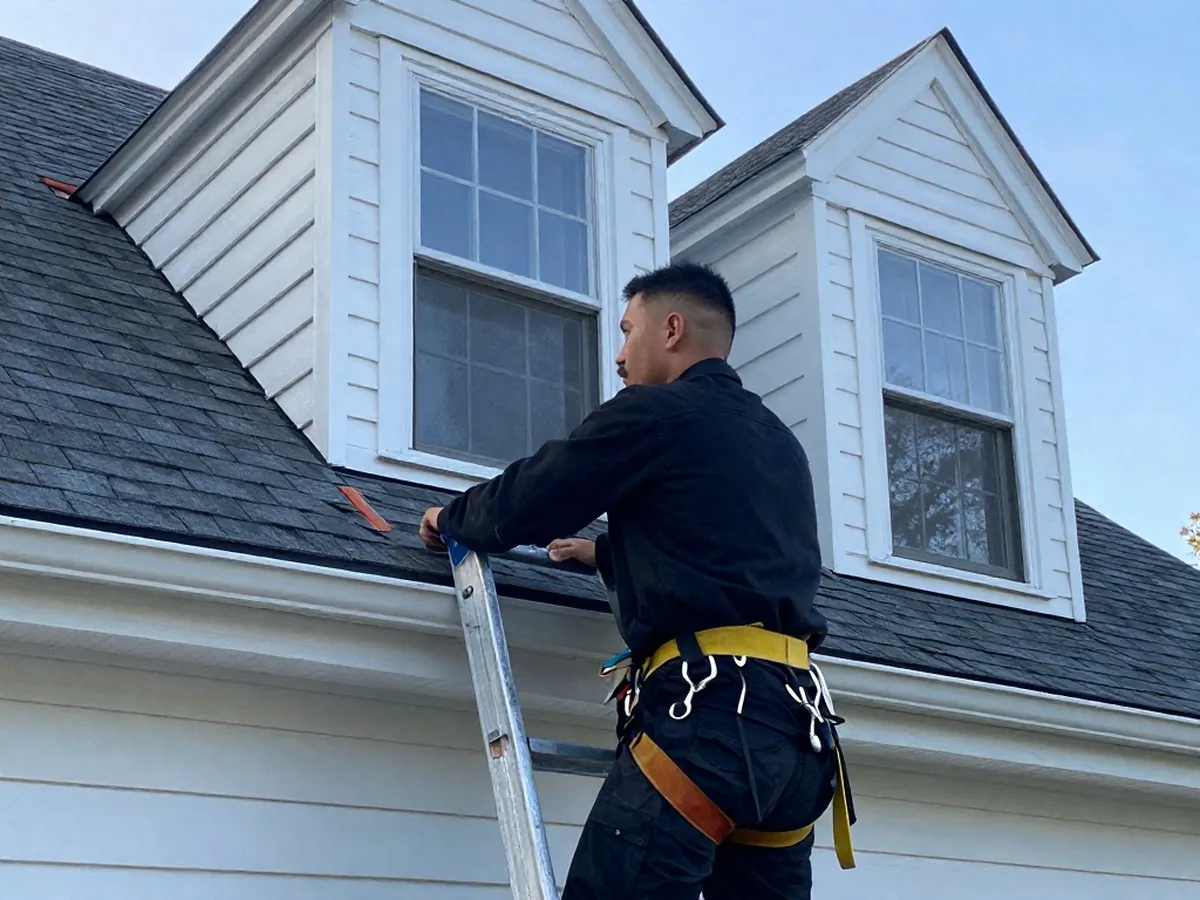
Safety first, before the roof
- A service wire hangs low or lies on the ground near the house: keep everyone clear and treat it as live. Anyone in danger gets 911; the wire is PSE&G's business, at 1-800-436-7734.
- A wet ceiling droops or drips: clear everyone from the room beneath it. If it starts to come down, leave the house and call 911.
- The plan is to climb up and check: stay on the ground, since NIOSH says falls from ladders cost over a hundred lives each year nationwide. Look from the yard or a window.
- The only spot for a ladder is within ten feet of a power line: leave the ladder in the garage and ask PSE&G about the line at 1-800-436-7734.
What an inspection tends to hand off
A joint problem becomes flashing and chimney work. A roof near the end of its life becomes a question for roof replacement. Clogged or sagging edges become gutter repair.
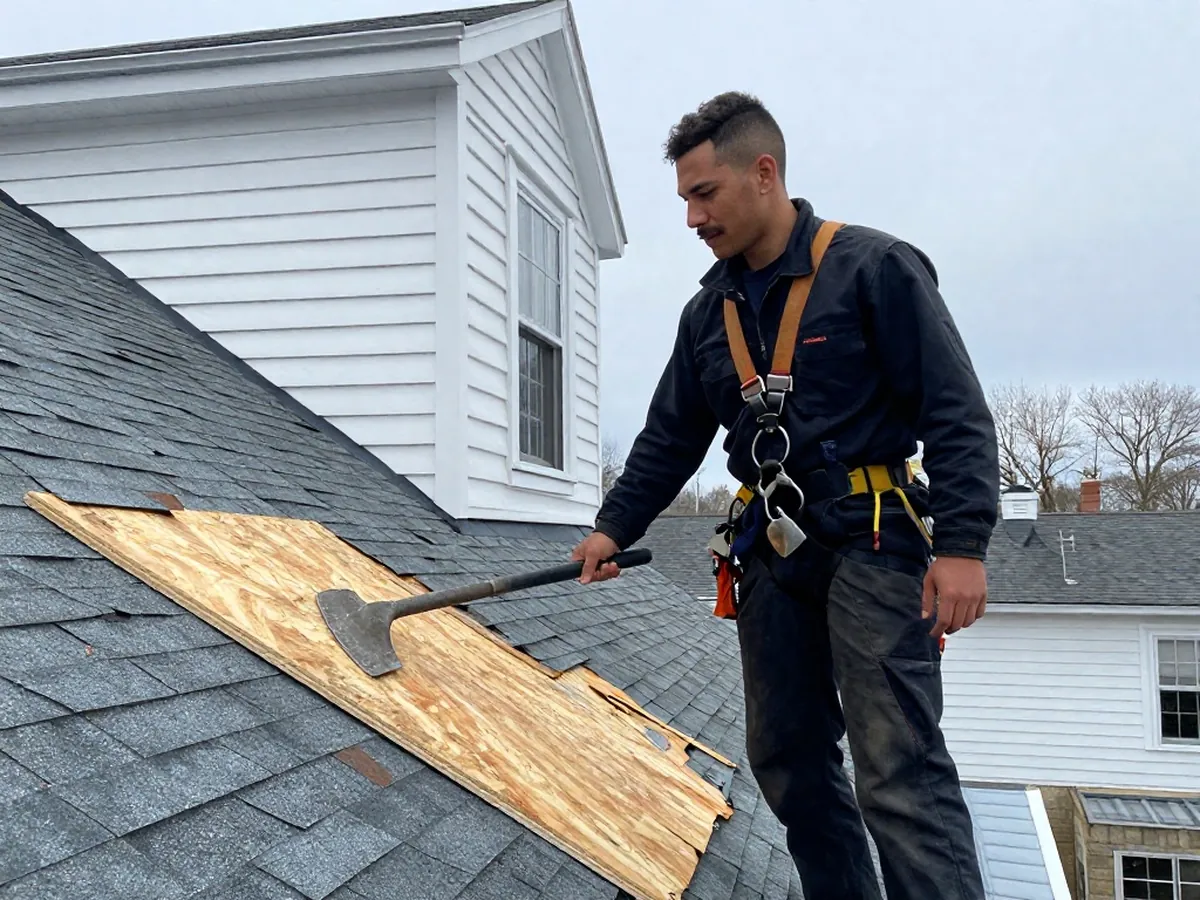
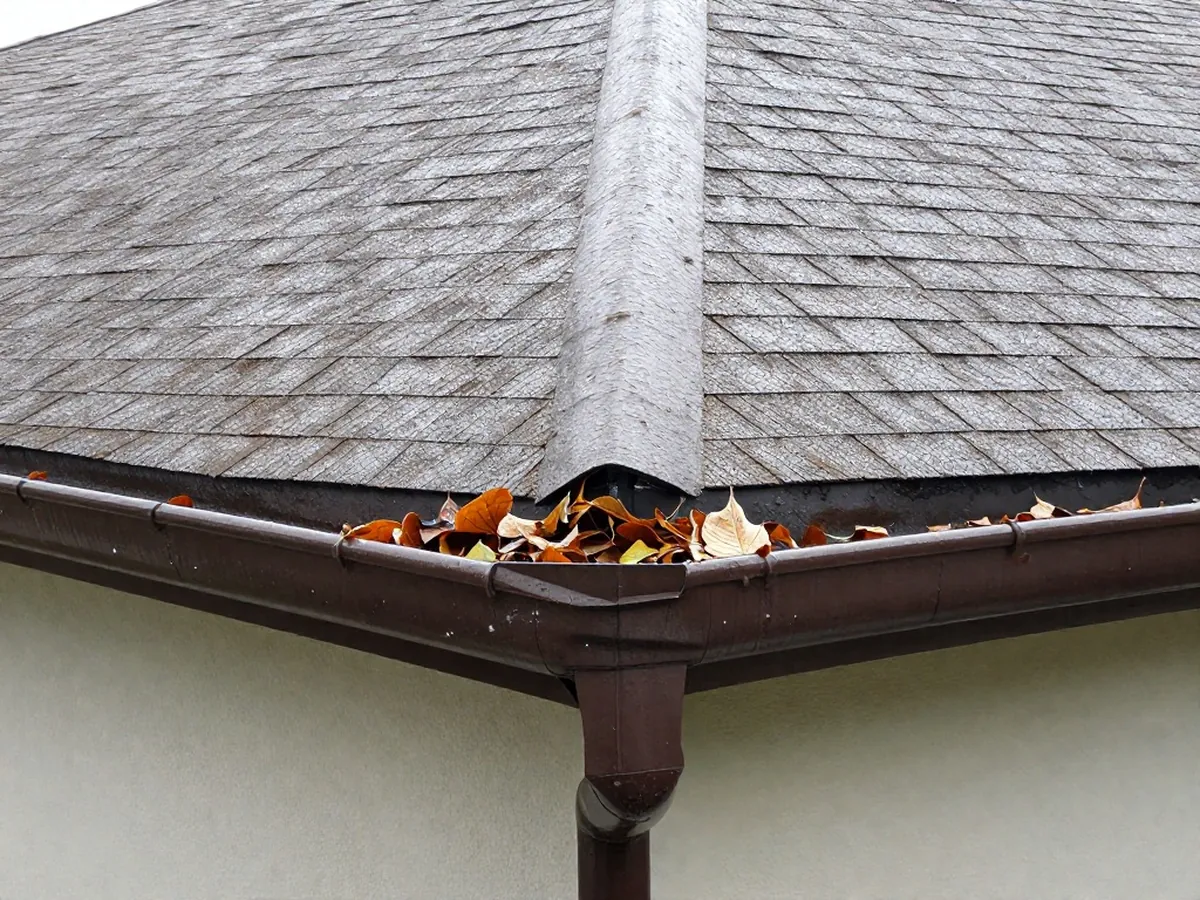
Reading the findings
A good inspection ends with sorted lists: things that can wait, things to repair this year, and things that decide the roof's future.
If the findings reach the Department of Energy's rule of thumb, with more than 10 percent of the roof needing repair, a replacement discussion makes sense. Ask for the findings with pictures attached, so a second roofer can follow along.
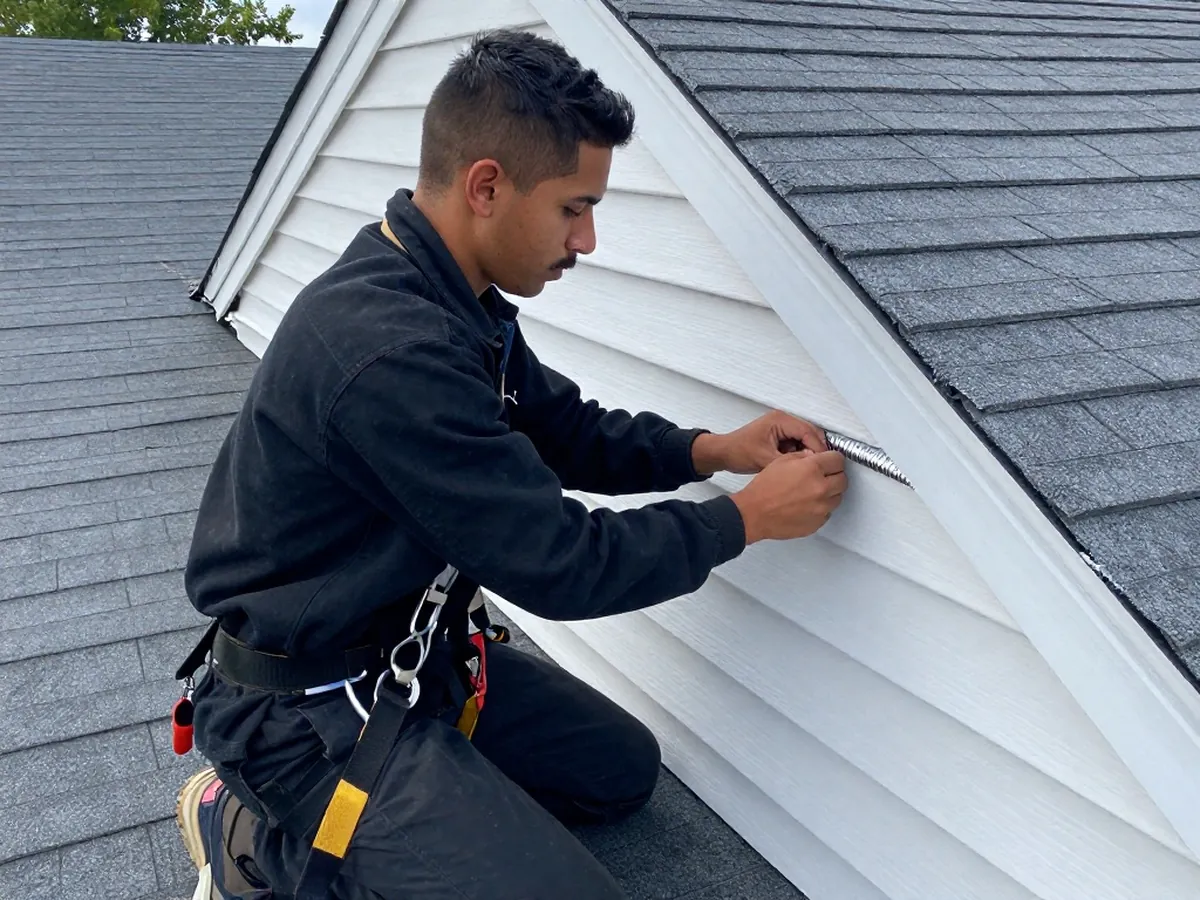
Spring and fall, with Newark's numbers
Newark's 1991-2020 normals show April rain at 3.87 inches and October at 3.79, with snow near zero in both (0.5 and 0.2 inches). Those are quiet months for a roof to be looked at, once after the winter and once before it.
Questions people bring to this job
How urgent is a roof inspection on the ten-step scale?
Steps 8 to 10: a wire down or a sagging ceiling. Move away and phone 911 or PSE&G, then call (732) 487-3991 about the roof. Steps 4 to 7: a stain or missing shingles, so call this week. Steps 1 to 3: no symptoms and an older roof. An inspection in spring or fall is a reasonable rhythm, and a call whenever the roof's story changes.
What can I look at without leaving the ground?
ARMA recommends starting from the ground or an upstairs window after storms. Look for missing or loose shingles, impaired flashing and clogged gutters or vents. Binoculars help. Write what you see with the date, and keep the notes for the roofer.
What does the attic add to an inspection?
ARMA suggests checking the roof deck from the attic side and names flashings as the weakest spots on a roof. The Department of Energy's roof brief describes wet insulation and moisture readings as part of checking a roof that has taken on water. A flashlight and a spare half hour are the tools.
How often is a low-slope roof looked at?
ARMA's low-slope guidance calls for a professional roofing contractor to inspect a roof each spring and fall. It also limits roof access to trained professionals and notes that a roof is not built for heavy foot traffic. Clearing drains and trimming overhanging limbs are the owner-level jobs.
What belongs in a roof record?
ARMA's low-slope guidance suggests keeping the original installation details, the roof plan, the surface type, the contractor's name, and a log of every inspection, maintenance visit and repair. A folder with dated photos is enough. Records make the next roofer's job easier and help if the house is sold.
Can an inspection visit reach Linden, Roselle, Carteret and Iselin?
Yes. Inspection calls come from Linden roofing, Roselle roofing, Carteret roofing and Iselin roofing as well as Rahway. Call (732) 487-3991 with the address and the roof's approximate age.
What changes the scope of an inspection visit
- The size and pitch of the roof.
- Whether an attic hatch is easy to reach.
- Whether there are skylights, dormers or a second story.
- Whether the roof is low-slope, where drains and seams get extra time.
- Whether photos and a written summary are included.
- Ask what the visit covers and what is left for a second look.
Inspection slip-ups to avoid
- Walking the roof to save time.ARMA says roofs are not designed for extensive foot traffic, so use binoculars from the yard.
- Skipping the attic.The underside of the deck shows leaks first, so bring a flashlight and look for damp insulation.
- Keeping no records.The next roofer starts from nothing, so file dated photos and the findings together.
Clues on the roof and indoors
- A roof old enough that nobody remembers when it was installed
- A house just bought, with no roof records in the file
- A storm passed and everything looks fine from the sidewalk
- Granules or shingle fragments collecting at the downspout
- A faint stain near a chimney or vent after the last heavy rain
Paperwork after an inspection
Findings often lead to a quote, and quotes lead to contracts. New Jersey's contract rules, and the building office for each of the five towns, are on the hiring checks page.
Ready when you are
Have the street address ready, along with what is visible from the ground and roughly how old the roof is. Renters: the landlord makes the roof decisions, so tell the landlord.